

Electric Vehicles vs Petrol Cars: Which Option Makes More Financial Sense?
Electric vehicles (EVs) are no longer just an emerging technology. They’re becoming an increasingly common sight on Australian roads.
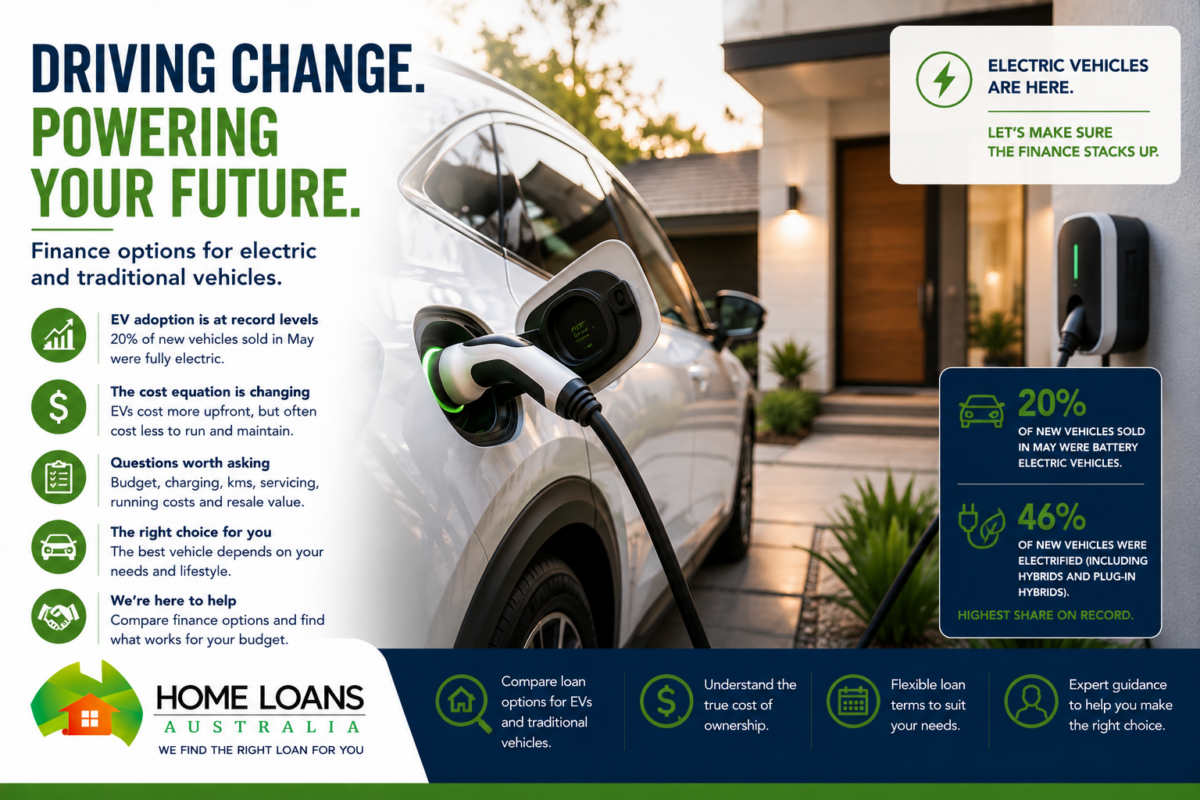
According to VFACTS data, 20% of all new vehicles sold in May were battery electric vehicles, while 46% of all new vehicle sales were electrified when hybrids and plug-in hybrids were included. That’s the highest share on record.
With rising fuel prices, greater model choice and government incentives encouraging EV adoption, many Australians are weighing up whether it’s time to make the switch.
Why Are More Australians Choosing Electric Vehicles?
Several factors are driving the growing popularity of electric vehicles.
These include:
- Rising fuel prices.
- Expanding EV model availability.
- Improved battery technology.
- Government incentives in some states and territories.
- Lower servicing and maintenance costs.
For many households, an EV is becoming a realistic alternative to a traditional petrol or diesel vehicle.
Understanding the Cost of Ownership
The purchase price is only one part of the equation.
Looking at the total cost of ownership can provide a better understanding of which vehicle is likely to offer the best long-term value.
Electric Vehicles
Electric vehicles generally:
- Cost more to purchase.
- Cost less to run.
- Require less routine maintenance.
- Have lower fuel (charging) costs.
- Produce fewer emissions.
Petrol and Diesel Vehicles
Traditional vehicles generally:
- Have a lower purchase price.
- Offer widespread refuelling convenience.
- May involve higher fuel costs.
- Typically require more ongoing servicing.
The right option depends on your budget, driving habits and how long you expect to keep the vehicle.
Questions to Ask Before Buying
Whether you’re considering an EV or a conventional vehicle, it’s worth asking:
- What is my total budget?
- Can I charge an EV conveniently at home or work?
- How many kilometres do I drive each year?
- What are the likely servicing and maintenance costs?
- How important is resale value?
- Which finance option best suits my circumstances?
Answering these questions can help you compare more than just the purchase price.
Should You Finance an Electric Vehicle?
Many Australians choose to finance their next vehicle rather than paying the full purchase price upfront.
Vehicle finance can help spread the cost over manageable repayments while allowing you to purchase the vehicle that best suits your needs today.
Comparing finance options can also help you understand the true cost of ownership across different vehicle types.
Choosing the Right Vehicle for Your Lifestyle
There isn’t a single answer that suits everyone.
For households travelling long distances each week, lower running costs may make an electric vehicle attractive.
For others, a petrol or diesel vehicle may still offer the best combination of affordability, convenience and flexibility.
The key is understanding both the upfront costs and the ongoing expenses before making a decision.
How Home Loans Australia Can Help
At Home Loans Australia, we help Australians compare vehicle finance options alongside their broader financial goals.
Whether you’re considering an electric vehicle, hybrid or traditional car, we can help you understand your finance options and structure repayments that fit comfortably within your budget.
Frequently Asked Questions
Are electric vehicles cheaper to own?
Although EVs often have a higher purchase price, they generally have lower fuel and maintenance costs, which may reduce overall ownership costs over time.
Is vehicle finance available for electric cars?
Yes. Many lenders offer finance for new and used electric vehicles, hybrids and plug-in hybrid vehicles.
How do I know if an EV is right for me?
Consider your budget, daily driving distance, charging availability, running costs and long-term ownership plans.
Are government incentives available for electric vehicles?
Some Australian states and territories offer incentives or concessions for eligible EV buyers. These vary depending on where you live.
Can I compare finance for different vehicle types?
Yes. Comparing finance options can help you understand the total cost of ownership and choose the vehicle that best suits your financial circumstances.
